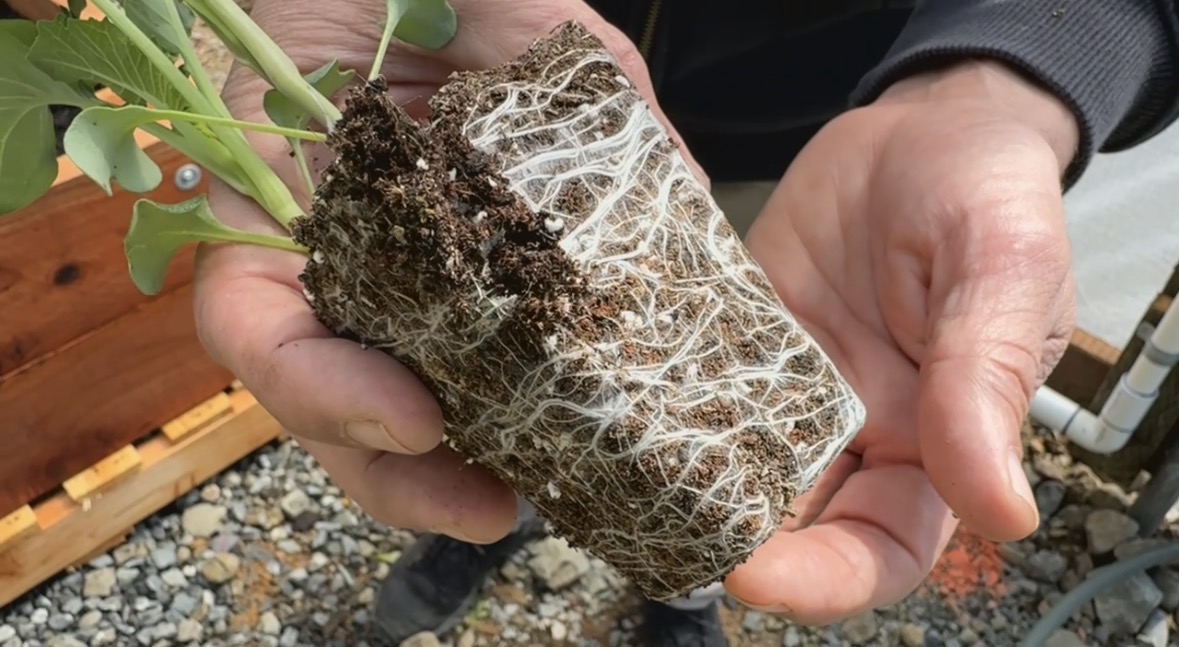
Imagine this: it’s the perfect day for planting. You have your seeds prepared, your pots lined up, and a fresh bag of potting soil waiting to be opened. As you tear it open and lean in to enjoy that earthy “garden smell,” you suddenly notice something — a patch of white fuzz on the surface.
If you’ve ever opened a new bag of potting soil and noticed white, fuzzy growth on the surface, you’re not alone. Many gardeners quickly assume it’s mold or contamination. In reality, this white fuzz is most often a sign of beneficial fungal activity, indicating that the soil is biologically active. Understanding what’s happening in your soil can help you grow with confidence.
Soil Is Alive — Even If It Doesn’t Look Like It
Although soil is primarily composed of non-living minerals and organic matter, it functions much like a living organism. Biologically active soil systems support:
- Metabolic processes
- Respiration
- Nutrient cycling
- Carbon sequestration
- Complex microbial interactions
In fact, one cup of potting soil can contain billions of microorganisms and kilometers of microscopic fungal filaments (hyphae) when stretched out. This underground ecosystem plays a critical role in plant vitality.
What Is the White Fuzz in Soil Bags?
The white, threadlike, or fuzzy growth sometimes seen in potting media is typically caused by saprophytic fungi.
Saprophytic fungi:
- Decompose organic matter
- Break down cellulose and lignin (carbon-rich plant materials)
- Recycle nutrients back into the soil
- Help build soil structure
- Support beneficial microbial communities
These fungi are commonly found in soils worldwide, particularly in forest environments, where they grow beneath decaying wood and leaf litter. The visible white fuzz you see is called mycelium, which is a network of fungal hyphae that helps break down organic materials. Importantly, this group of fungi does not harm plants; they are neither parasitic nor pathogenic.
Why Does Mycelium Appear in Bagged Potting Soil?
White fuzz in bagged soil is common, especially in potting mixes that contain:
- Bark
- Peat
- Compost
- Organic amendments
These ingredients create a moist, carbon- and nitrogen-rich environment, which is ideal for saprophytic fungi.
When potting media is bagged and palletized:
- The mix becomes compacted
- Pore space is reduced
- Airflow changes
- Internal temperatures may rise slightly
Under these conditions, fungal mycelium can become visible when you open the bag. Often, simply transporting the bag home is enough to cause a disturbance that you may not even notice. This type of fungal growth typically remains on or near the soil surface and rarely penetrates deeply into the mix.
Is White Fungal Growth in Potting Soil Harmful?
In most cases, no.
Seeing white fuzzy growth in potting soil is usually a sign of active decomposition and a thriving soil ecosystem. It indicates that microbes are cycling nutrients and building soil structure. Thriving soil is biologically active soil.
Common Misconceptions
Not All Fungi Are Harmful
Most fungi are not plant pathogens. Many fungi are beneficial and play essential ecological roles. Visible saprophytic fungi generally do not threaten plant vitality.
Most Soilborne Pathogens Do Not Have Visible Fruiting Bodies
Most plant pathogens do not produce visible mushrooms or white fuzz. True fungi, such as Fusarium, Verticillium, and Rhizoctonia, are microscopic. Oomycetes like Phytophthora and Pythium are also microscopic pathogens, although they are not classified as true fungi. These organisms are responsible for a variety of diseases, including damping-off, rots, and wilts.
These pathogens are more likely to become problematic when:
- Soil is overwatered, excessively wet, or otherwise poorly drained
- Irrigation water is contaminated (common in recirculating systems)
- Pots are not cleaned before re-use
Sanitation, good drainage, and proper watering practices are key to preventing these issues.
When Should You Be Concerned?
White fuzzy mycelium alone is not typically a cause for concern. However, you should evaluate growing conditions if you notice:
- Persistent foul odors (rotten eggs)
- Consistently waterlogged soil
- Very poor germination
- Seeds that germinate, but die shortly after
Active Soil Supports Strong Plants
Soil may seem inert, but it is one of the most biologically dynamic systems in nature. Its living components play a crucial role in processes like nutrient cycling and carbon storage, which are essential for plant vitality. The white fuzz often found in potting soil bags is typically a sign that organic matter is being actively mineralized. This is a natural and beneficial process. Instead of being a cause for concern, it is usually evidence that your soil is alive and functioning as it should.
At Royal Gold, our growing media contain organic materials and are designed to be biologically active. If you notice white fuzz or mycelium in your coco coir or potting mix, this usually indicates that beneficial microbes are actively breaking down organic matter and facilitating nutrient cycling. This process helps create a thriving environment for plant roots and is completely normal; it is not harmful to your plants. Fluff and mix the media before use, and get ready to thrive with the Gold Standard in Gardening!