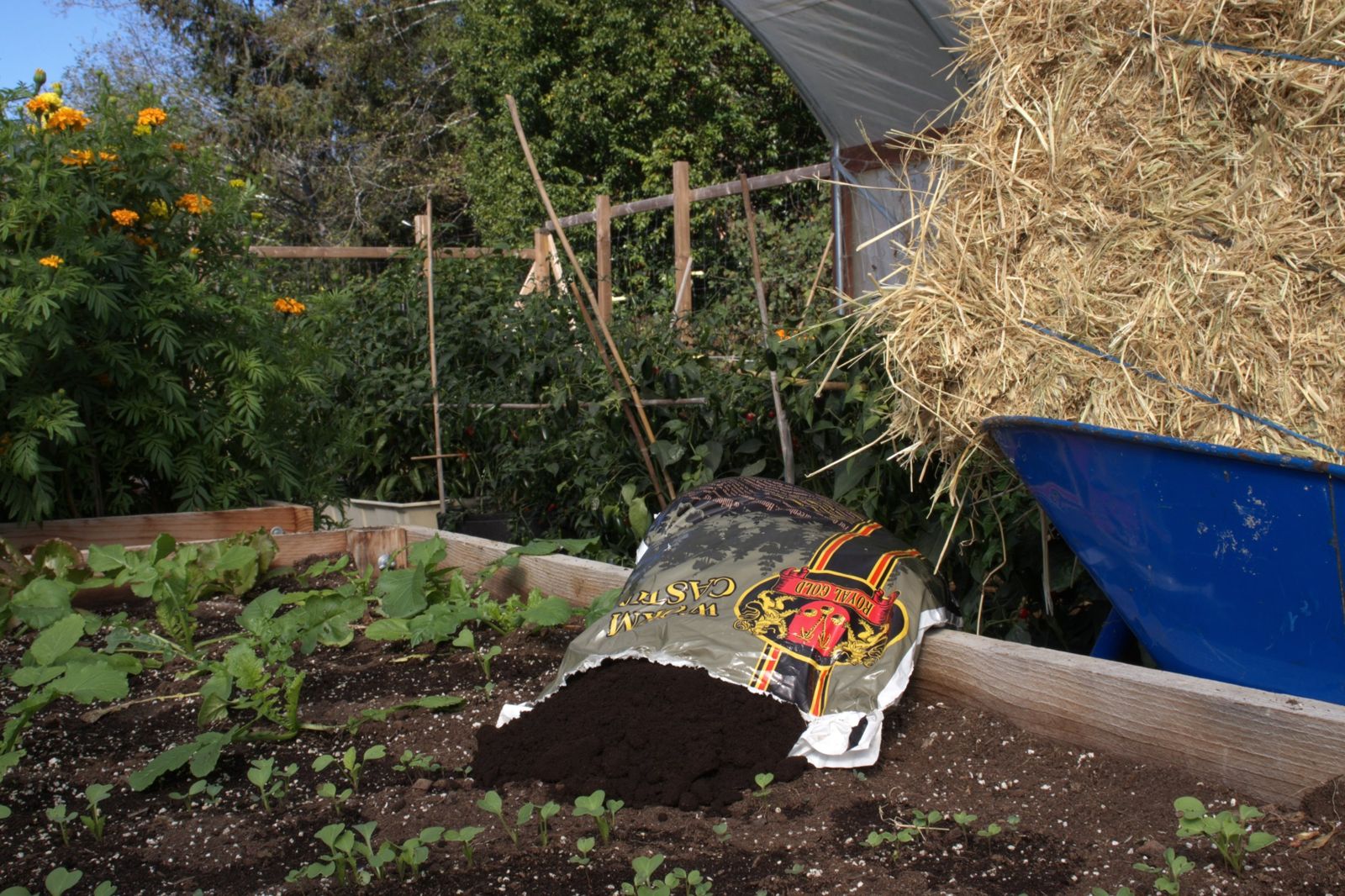
The tomatoes are done, the squash vines are yellowing, and the first cold nights are on the way. It’s tempting to leave the garden as-is until spring. Give your beds a few hours this fall instead, and when you pull back the mulch in March you’ll find loose, dark soil that’s ready to plant in.
The reason is underground. Your soil is full of living things: earthworms, fungi, and billions of bacteria that turn old roots and fallen leaves into food plants can use. They don’t shut down when your plants do. They slow down as the soil cools but keep working until the ground freezes. Whatever you feed them this fall is what they have to work with until spring.
Why fall is the right time to feed your soil
Most gardeners feed their beds in spring, right before planting. Feeding in fall gives you a head start, for three reasons:
- Time to break down. Organic matter you add in October has months to break down and mix into the soil. By spring, it’s part of the bed instead of a layer sitting on top.
- Protection from winter weather. Heavy rain packs bare soil down and carries topsoil and nutrients away. Covered, well-fed soil holds together. In wetter regions, where potting soil (as opposed to native or top soils) may be used more commonly in raised bed applications, you will want to wait until early spring to add your organic matter into this mix since the weather will deplete most of the nutrients over the winter months.
- A faster spring start. When the soil warms up, the microbes that spent the winter in your beds are already there and already fed. Your spring transplants go into soil that’s ready for them.
What “beneficial microbes” do in your garden beds
You’ll hear this phrase a lot. Here’s what it means in practice.
Bacteria and fungi break down organic matter, like old roots, leaves, and compost, into nutrients in a form plant roots can take up. Fungi also grow long, thread-like strands that bind tiny soil particles into crumbs. Crumbly soil leaves room for air and water to move, and that’s what roots need to spread out.
Some fungi, called mycorrhizal fungi, partner directly with plant roots. They pass water and nutrients to the plant in exchange for sugars the plant makes. They depend on living roots, which is one more reason to keep something growing in your beds over winter when you can.
Microbes need to eat, and what they eat is organic matter. A bed that grew vegetables all summer gave a lot and got very little back. Fall is when you restock it.
Where worm castings fit in
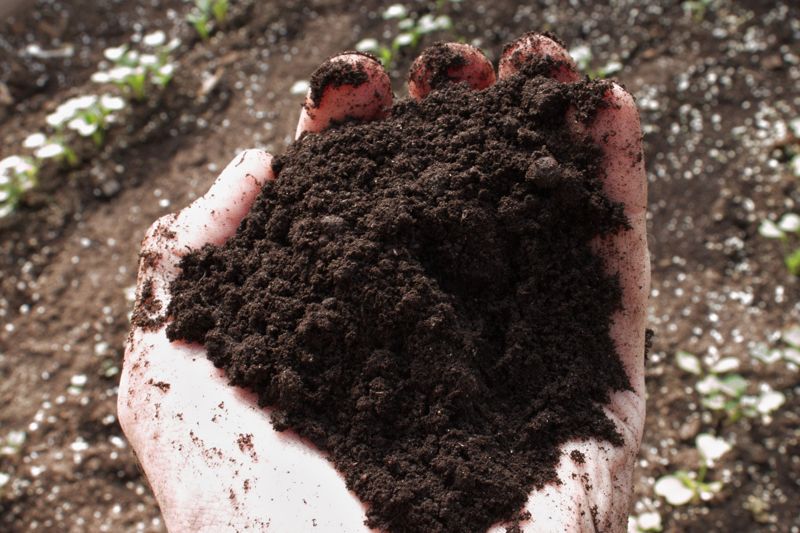
Worm castings are what’s left after earthworms digest organic matter. They look and feel like fine, dark, earthy-smelling soil, and they’re one of the simplest ways to feed a garden bed before winter.
Castings add organic matter and feed the microbial life already in your soil. They improve crumb structure, help sandy soil hold moisture, and help heavy clay drain. They also won’t burn plants, so you can spread them around fall crops, garlic, or perennials without worrying about damaging roots.
Royal Gold Worm Castings are 100% worm castings: one ingredient, no blends. They’re OMRI Listed and CDFA Registered.
How much to use
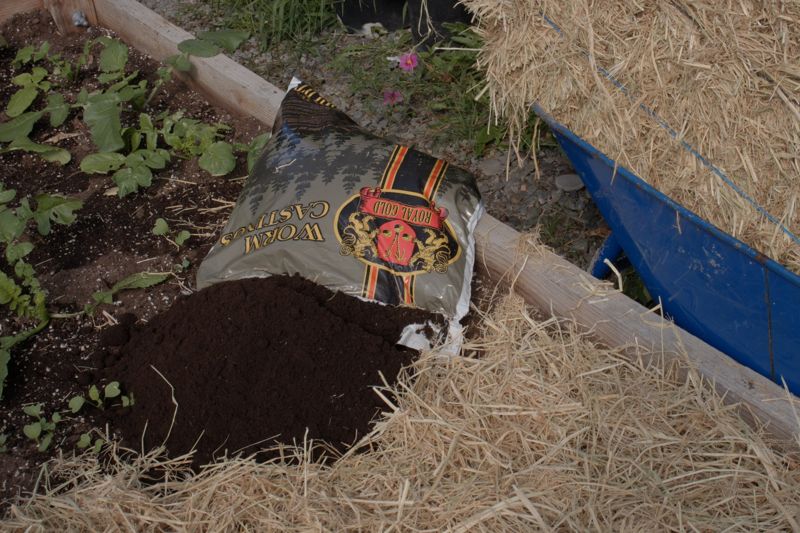
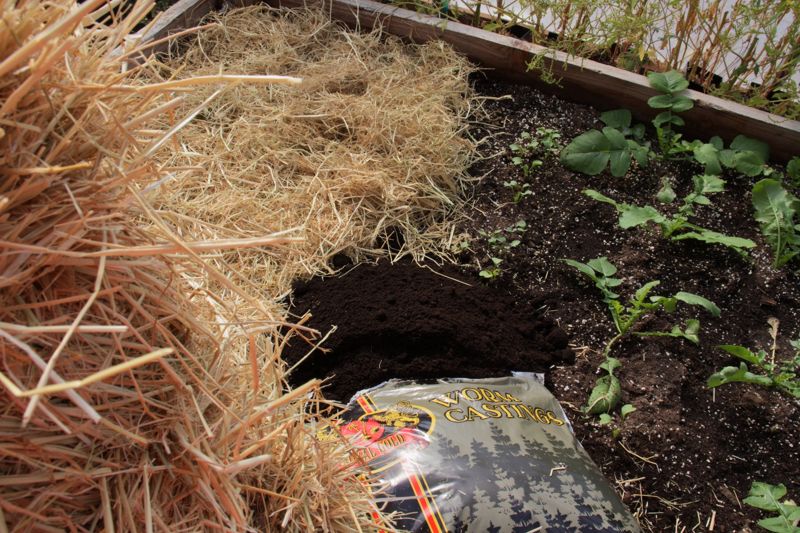
- On an open bed: spread castings up to 1 inch deep across the surface and scratch them into the top inch or two of soil with a rake or hand fork.
- Around plants still growing: add 1 cup per foot of row and work it in lightly around the base.
- At planting (garlic, onions, fall greens): add about 1 inch of castings to the furrow or planting hole.
Have compost? Use it too. Compost adds bulk organic matter, and castings are fine-textured, so they blend into the top layer quickly. Together they give soil life plenty to work on.
Topping off raised beds
Raised beds settle as the organic matter in them breaks down, and many drop an inch or more over a growing season. Fall is a good time to fill them back up. Royal Gold Planting Mix is a perlite-free blend of coco fiber, aged forest products, and worm castings, made for raised beds and for reviving tired garden soil. Add it now and it has all winter to settle in.
Your fall garden bed checklist
- Clear out old plants. Pull anything that showed signs of disease this season (spotted or mildewed leaves, blight, wilt) and put it in the trash, not the compost pile. Cut disease-free plants off at the soil line and leave their roots in the ground. They’ll break down in place, feed soil life, and leave channels for water and air.
- Pull weeds before they drop seed. One weed left to seed this fall can mean dozens more next spring.
- Skip the tiller. Tilling tears up the fungal threads and soil crumbs you’re trying to build. If a bed is compacted, push a garden fork in and rock it back and forth to loosen the soil without flipping it.
- Test your soil (optional). Your local cooperative extension office can run a basic soil test. Getting results in fall gives you all winter to plan spring amendments.
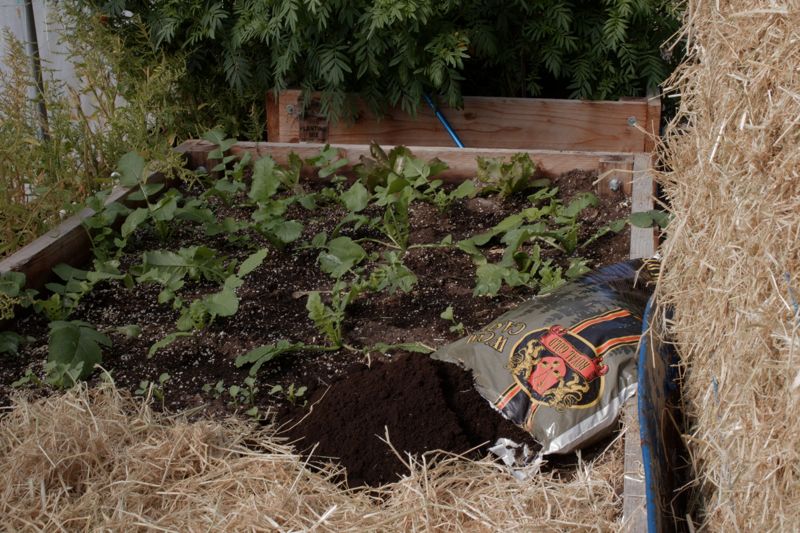
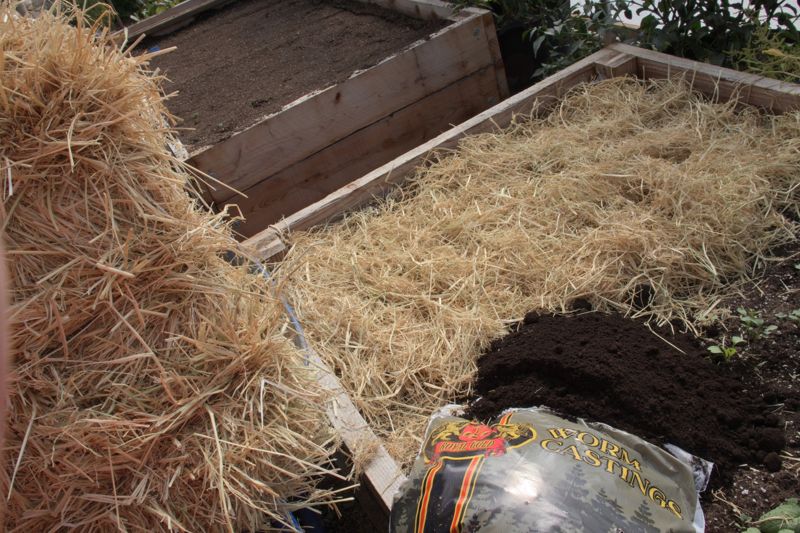
- Top off and feed. Add Planting Mix to beds that have settled. Spread worm castings, compost, or both across the surface.
- Cover the soil. Lay down 2 to 3 inches of shredded leaves, weed-free straw, or pine needles, or sow a cover crop (see the zone guide below). Bare soil packs down, washes away, and fills with weeds.
- Water if the fall is dry. Microbes need moisture to stay active, and moist soil holds warmth better than dry soil. If rain has been scarce, give beds a deep soak before the ground freezes.
Winter bed prep by climate
When to do all this depends on where you garden. USDA hardiness zones are based on average winter low temperatures, so they’re good shorthand for how hard your winter hits. Look up your zone by ZIP code at planthardiness.ars.usda.gov, and check with your local extension office for your average first-frost date.
| Climate | Typical first frost | When to prep | Cover crop ideas |
|---|---|---|---|
| Mild winters (Zones 8–11) | Mid-November or later; rare or none in parts of 10–11 | October–November, as you plant cool-season crops | Fava beans, crimson clover |
| Cold winters (Zones 6–7) | Mid-October to early November | Early to mid-October | Cereal rye; crimson clover in Zone 7 |
| Hard freezes (Zones 3–5) | Mid-September to early October | Right away | Cereal (winter) rye |
Frost dates are averages. Your extension office will have the dates for your county.
Mild winters: Zones 8–11
Where: much of California and the West Coast, the Pacific Northwest west of the Cascades, the Gulf Coast, Florida, the low-desert Southwest, and much of the Southeast.
Your beds don’t have to rest at all. Fall and winter are prime growing seasons for lettuce, kale, chard, spinach, peas, broccoli, garlic, and onions. Work castings into the top few inches as you plant, and add about an inch to each furrow or planting hole.
On the West Coast, winter is the rainy season. Heavy rain on bare soil packs it down and washes nutrients below the root zone, so keep every bed planted or mulched. Fava beans and crimson clover are good cover crops for beds you want to rest. In the Southeast, fall is a second planting season: prep beds in October and November and keep planting cool-season crops through the winter.
Cold winters: Zones 6–7
Where: the Mid-Atlantic, the Ohio Valley, the lower Midwest, the Upper South, the interior Pacific Northwest, and parts of the Southern Plains and mountain West.
First frost usually lands between mid-October and early November, and your soil stays workable for a few weeks after that. Clear and feed your beds in early October. Plant garlic in mid-to-late October for an early-summer harvest. Sow a cover crop such as cereal rye (or crimson clover in Zone 7) about four weeks before your first hard frost so it has time to get established. Mulch any bed without a cover crop by mid-November.
Hard freezes: Zones 3–5
Where: New England, the upper Midwest, the Northern Plains, and higher elevations of the Rockies.
Your window is short, and it may be closing now. First frost often arrives between mid-September and early October, so clear and feed your beds right away. Get castings and compost into the soil while it’s still workable. Once the ground freezes, anything you add sits on the surface until the spring thaw.
Cereal rye, also called winter rye, is the most cold-hardy cover crop and can go in later than most. If it’s too late for a cover crop, use a thicker layer of mulch: 3 to 4 inches of shredded leaves or straw. Plant garlic about a month before the ground freezes. When the soil thaws in spring, the food you added in fall is already in place.
Common questions
Can I add worm castings in winter?
Yes, as long as the ground isn’t frozen. In mild-winter zones you can top-dress any time. Castings won’t burn plants, so they’re safe around fall and winter crops at any stage of growth.
Should I pull the roots out of spent plants?
For disease-free plants, leave them. Cut the plant at the soil line and let the roots break down in place. They feed soil life and leave open channels for water and air. Pull diseased plants & roots and discard them.
Do worm castings replace fertilizer?
Castings build up the soil. Depending on what you grow, you may still need to feed during the season.
Do I need to cover my raised beds for winter?
Cover the soil, yes, with mulch or a cover crop. A tarp is optional. It’s useful for smothering weeds on beds you don’t plan to plant until spring.
Put your beds to bed
A few hours of work this fall is all it takes: clear out the spent plants, feed the soil, and cover it up. Come spring, you’ll plant into soil that’s had all winter to get ready.
Build your soil. Feed your garden. Grow with Royal Gold.
Shop Royal Gold Worm Castings →